Why Commercial Voiceover Demands More Than a Good Voice
I have spent years on both sides of the glass in Los Angeles recording studios, and if there is one thing I have learned it is this: a great voice alone does not make a great commercial voiceover. The microphone does not care how your voice sounds in the shower. It hears what you actually do with your instrument, and the people who book you for TV commercials and radio spots want to hear a performance that fits a brand voice, not just a pleasant tone.
Early in my career I worked with a VO artist who had a deep, resonant voice that could fill a room. The director kept asking for a warmer read, something more intimate, and the talent kept giving back the same booming delivery. The session dragged on. The problem was not the voice. It was the lack of range. That is when I understood that commercial voiceover is a craft, not a gift. You have to learn how to shape your sound for the medium, the client, and the audience.
The Shift from ISDN to Source-Connect
When I started in audio post-production, almost every voiceover session came through ISDN lines. You would dial in, hear the talent through a codec, and pray the latency stayed low. Now Source-Connect has become the standard for remote sessions. It is more reliable, it sounds better, and it lets directors work with talent anywhere in the world without the old digital handcuffs. If you are a voice actor today and you do not know how to use Source-Connect, you are closing yourself off from most of the market.
The gear has changed too. The Neumann U87 used to be the default microphone in every commercial voiceover booth. It has a warm, open sound that flatters most voices. But the Sennheiser MKH 416 is also everywhere, especially on stages where you need more off-axis rejection. I have seen engineers argue for hours about which one is better. The truth is that both are excellent, and the right choice depends on the room, the voice, and the producer. A good engineer will test both before the talent even sits down.
The Role of the Studio and the Engineer
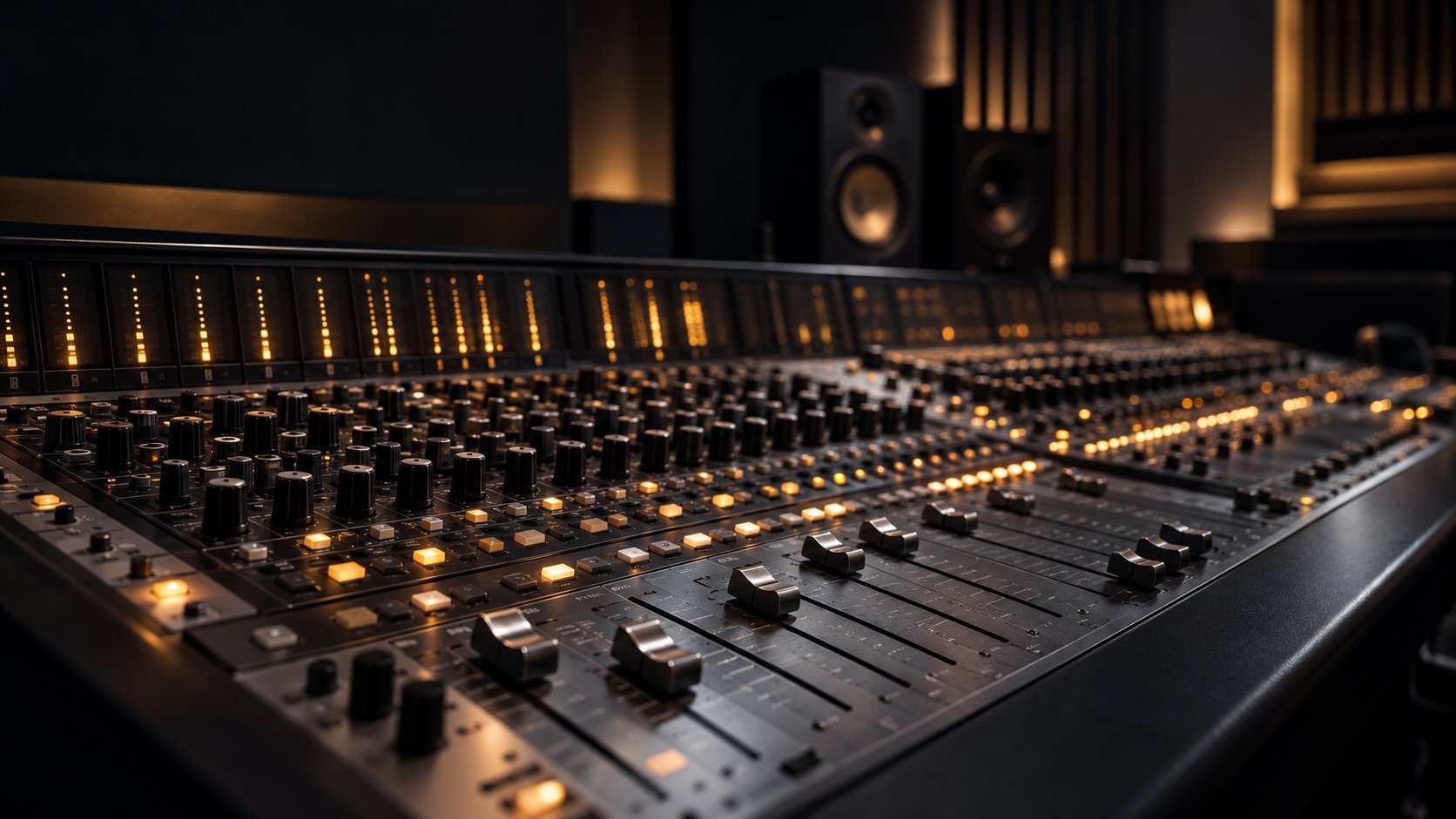
A professional commercial voiceover session does not start when the talent opens their mouth. It starts with the engineer checking levels in Pro Tools, setting up the headphone mix, and making sure the talkback is clear. Pro Tools is still the industry standard for recording and editing. You can do it in other DAWs, but if you walk into a post-production facility and they are not running Pro Tools, you should ask questions. The workflow for editing, comping takes, and syncing to picture is built around it.
Noise reduction is another layer. Even in a treated booth, there is always something. A chair creak, a breath that was too loud, a rumble from the street. IZotope RX has saved more sessions than I can count. It lets you clean up mouth clicks, remove background hum, and tighten the audio without making it sound plastic. I have used it on voiceover tracks where the client could not even tell there was a fix. That is the goal: invisible repair.
Voice Acting Is Not Just Reading
Many newcomers think commercial voiceover is just reading words off a page. It is not. It is acting. You have to understand the commercial copy, find the subtext, and deliver the message in a way that feels natural and persuasive. A thirty-second radio spot can have a dozen different emotional beats. The best voice actors can shift from warm to urgent to playful in one sentence without sounding forced.
I remember working on a TV commercial for a car brand. The director wanted the read to feel like a conversation between friends, not a sales pitch. The talent did three takes, each one slightly different. The director picked the one that sounded the least like reading. That is the art. You have to make it sound like you just thought of the words, even though you have rehearsed them twenty times.
Deliverables and File Formats
When the session is done, the engineer exports the final files. Most clients ask for WAV files at 48 kHz, 24-bit. Some want AIFF instead. It is a small difference but it matters if the post-production house uses a specific workflow. Always confirm the format before you record. Nothing wastes time like having to re-export because the engineer guessed wrong.
A good voiceover demo is your calling card. It should show range: some conversational reads, some high-energy spots, maybe a bit of narration or ADR if you do that work. The demo does not need to be long. Sixty to ninety seconds is plenty. But it needs to sound professional. That means recorded in a good room, edited cleanly, and mixed so every clip transitions smoothly. A demo that sounds like it was recorded in a closet will get you ignored, no matter how good your voice is.
The Business Side of Commercial Voiceover
Commercial voiceover is a business. You have to market yourself, maintain relationships with directors and producers, and deliver on time every time. Brand voice is a real thing. Companies spend a lot of money to define how they sound. If you can match that voice consistently, you will get repeat work. If you show up once and sound different the next time, they will find someone else.
I have seen talent lose jobs because they did not understand the difference between a radio spot and a TV commercial. The radio spot often needs more energy because there is no picture to help tell the story. The TV commercial has to sync with the visuals, so timing matters more. A good director will guide you, but you should already know the basics before you step to the mic.
Final Thoughts on the Craft
If you are serious about commercial voiceover, invest in your skills. Work with a coach. Record yourself and listen back critically. Learn the technology. Understand what happens in audio post-production, because the people hiring you are part of that world. They talk to engineers and producers every day. If you can speak their language, you will stand out.
The gear matters, but it is not everything. A Neumann U87 through a clean preamp into Pro Tools is a great signal chain, but it will not save a flat performance. The same goes for iZotope RX: it can clean up a recording, but it cannot add emotion. That is on you. The best sessions I have been part of were the ones where the talent showed up prepared, the engineer knew the workflow, and everyone worked together to make the spot better. That is the real job.